
How Athleisure Footwear Helped Shape Pop Culture

Athleisure footwear has reshaped music, fashion, and personal identity in ways few everyday items ever have. What began as a practical choice on campuses and basketball courts grew into a cultural force once athletes like Michael Jordan and artists like Run-D.M.C. turned sneakers into symbols of status and self-expression. Hip-hop embraced them as statements. Luxury brands followed.
Social media later transformed every release, resale, and outfit post into part of a larger conversation. The story of how a simple shoe helped shape pop culture goes much deeper than most people realize.
From the Track to the Street: How Athleisure Footwear Began

Universities accelerated this transformation. As intramural sports expanded across campuses, student athletes began blending athletic footwear into their university wardrobes out of pure practicality. Changing between sports and classes wasn't always convenient, so sneakers simply stayed on. That habit normalized athletic footwear beyond the court or field.
Then the 1920s pushed things further. Designers like René Lacoste and Jean Patou legitimized athletic-inspired clothing as genuine fashion, reinforcing the idea that performance wear belonged everywhere — not just in sports. In 1963, Adidas introduced sport-to-street tracksuits, helping establish the blueprint for athletic clothing crossing over into everyday culture.
This same crossover thinking drove innovation in consumer electronics too, as Sony's TR-63 pocket radio proved in 1957 that compact, portable technology could become a cultural staple beyond its original purpose.
The Athletes and Artists Who Made Sneakers a Cultural Force
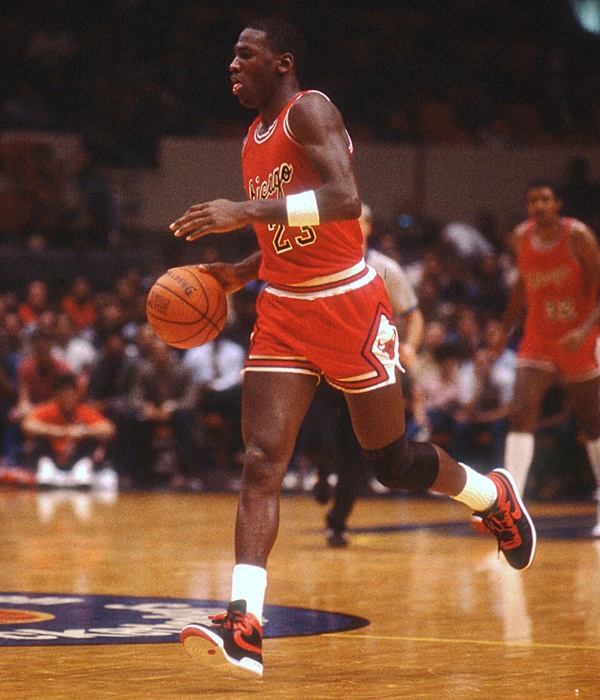
Practicality opened the door, but personality blew it off the hinges. When Michael Jordan laced up his Air Jordans in 1985, sneakers stopped being just shoes. Run DMC performed in Adidas and rapped about them, creating crossover collaborations that no one had tried before. Dr. J made Converse legendary through pure athleticism. Bo Jackson made Nike feel unstoppable.
Artists pushed it further. Keith Haring built sneaker collections. Eric Haze airbrushed only 1,000 Nike Dunks into existence. Futura, Ruohan Wang, and Damien Hirst turned shoes into gallery pieces.
You couldn't separate the culture from the kicks anymore. Kanye's Yeezy drops, Jay-Z's S. Carter line, and Bobbito Garcia's decades of dedication built collector communities that treated sneakers like artifacts worth preserving, debating, and chasing. Today, online utility tools make it easier than ever to organize raffles and giveaways for limited sneaker drops, giving communities fair and transparent ways to settle who wins a coveted pair.
Early online communities and blogs like Freshnessmag.com, founded by Yu-Ming Wu, turned personal appreciation for sneaker and street culture into an influential business that helped organize and amplify the growing sneakerhead movement.
How Did Hip-Hop Turn Athleisure Footwear Into a Statement?
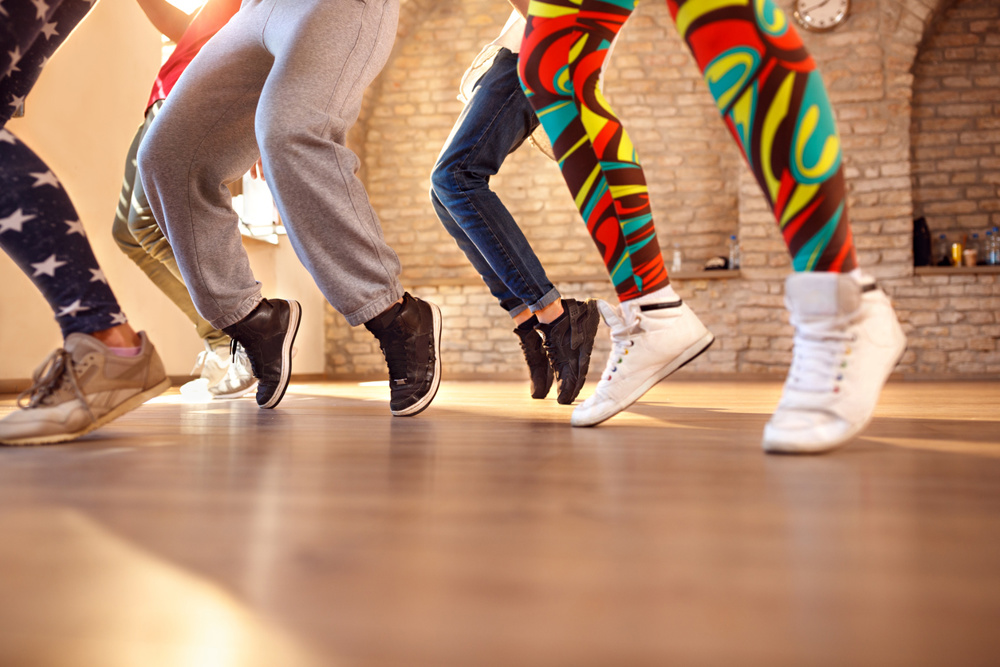
Hip-hop didn't borrow sneaker culture — it built one from scratch. When Run-D.M.C. performed "My Adidas" at the Apollo Theater in 1986, fans raised their shoes in the air. That moment wasn't just a concert reaction — it was street symbolism made visible. Adidas responded with a $1.6 million deal, the first endorsement of its kind for a rap group.
You can trace brand allegiance directly through hip-hop's timeline. Salt-N-Pepa championed Reebok's Freestyle Hi in New York's scene. Jay-Z signed with Reebok in 2003. Kanye West launched Yeezy with Adidas in 2015, earning full creative control. Each partnership reinforced that hip-hop artists weren't just wearing sneakers — they were shaping what those sneakers meant on the street.
These collaborations drove substantial economic impact, pushing sneaker revenue higher and fueling a resale market that turned limited releases into high-value commodities. Much like Amazon's Kindle strategy of pairing hardware with content to build a self-reinforcing ecosystem, sneaker brands leveraged artist-driven exclusivity to lock in consumer loyalty and create a cycle where cultural credibility translated directly into commercial dominance.
Check out MrPopCulture.com and learn more about Athleisure Footwear in Pop Culture.
How Did Social Media Accelerate the Athleisure Footwear Boom?

Social media didn't just promote athleisure footwear — it rewired how you discover, evaluate, and buy it. Platforms like Instagram and TikTok collapsed the traditional purchase funnel, letting you move from inspiration to checkout without leaving the app.
Influencer trends accelerated this shift, with brands like Nike partnering with athletes to build emotional connections, while TikTok challenges turned specific shoe pairs into cultural moments. Since 84% of Gen Z trusts brands featuring user-generated content, authentic peer posts now outperform polished ads.
Meanwhile, AR try-ons — especially on Snapchat — let you virtually test fit before purchasing, directly cutting return rates. Every scroll, tag, and shared styling post becomes a potential sale, making social media the most powerful driver of athleisure footwear's cultural and commercial rise. The global footwear market was valued at approximately $365 billion in 2021 and is projected to reach $528 billion by 2030, underscoring just how much digital momentum is fueling the industry's expansion.
When Luxury Fashion Came for the Sneaker World
While social media handed sneaker culture a megaphone, luxury fashion handed it a price tag. The 2017 Louis Vuitton x Supreme drop signaled that streetwear and high fashion weren't enemies — they were business partners. Balenciaga's Triple S then flipped the script entirely, making chunky silhouettes a status symbol rather than a punchline.
Designer sneakerization accelerated fast. Gucci, Prada, Chanel, and Burberry all launched lines, while collaborations like Nike x Dior and Travis Scott x Dior turned releases into cultural events. Luxury sneakerheads weren't just buying footwear — they were buying investment pieces with resale value to match.
The shift wasn't accidental. Designers like Virgil Abloh and Demna recognized what sneaker communities already knew: these shoes carried cultural weight that traditional couture couldn't ignore. Much of that weight traces back to the Air Jordan line, which in the 1980s and 1990s transformed sneakers from athletic gear into cultural currency long before luxury houses ever entered the conversation.
How Do Sneakers Reflect Community and Personal Identity?

Belonging has always been stitched into what we wear — and sneakers are no exception. Your shoe choice broadcasts community signals before you say a word, connecting you to subcultures, histories, and shared values. Studies show 95% of sneakerheads consider sneakers integral to their identity, compared to just 29.8% of the general population.
Beyond statistics, sneakers carry personal narratives. You remember where you bought them, what you were chasing, and who you were becoming. Each pair marks a moment — a shift, a milestone, a version of yourself worth preserving.
That emotional weight builds real community. Shared footwear interests spark conversations between strangers, deepen existing relationships, and create spaces where people connect through mutual appreciation rather than background, bridging differences through something as grounded as what's on your feet.
Online communities formed around buying, selling, and trading sneakers have expanded that sense of belonging far beyond local circles, connecting collectors and enthusiasts across the globe.
Where Is Athleisure Footwear Headed Next?
The sneaker you lace up today barely resembles what's coming.
The athletic footwear market is projected to hit $224 billion by 2030, driven by sustainable tech and smarter design. Brands like Adidas are already shifting to recycled polyester, while biodegradable materials are reducing landfill waste industry-wide.
Beyond materials, personalized fit is becoming the standard, not a luxury. AI analyzes your biomechanics, preferences, and movement patterns to recommend shoes built specifically for you. Smart footwear with embedded sensors tracks gait, monitors health, and delivers real-time coaching. The athleisure industry itself is forecast to reach $920 billion by 2034.
You're not just buying a shoe anymore. You're investing in wearable technology that adapts to your body, your lifestyle, and your values. Brands are increasingly building take-back and repair programs into their roadmaps, making it easier for consumers to return or restore footwear rather than discard it.