A Monthly Foot Wellness Calendar for Comfort and Support
Taking care of your feet does not have to feel complicated. A simple monthly routine can help you stay ahead of soreness, dryness, shoe problems, and common foot issues before they become harder to manage.
This foot wellness calendar breaks the month into four focused weeks. Each week builds on the last, so you can create steady habits without feeling overwhelmed.
By the end of the month, you will have covered inspections, circulation, moisturizing, stretching, footwear checks, and basic fungal protection. Then you can repeat the routine each month to keep your feet comfortable and supported year-round.
Why Foot Health Matters
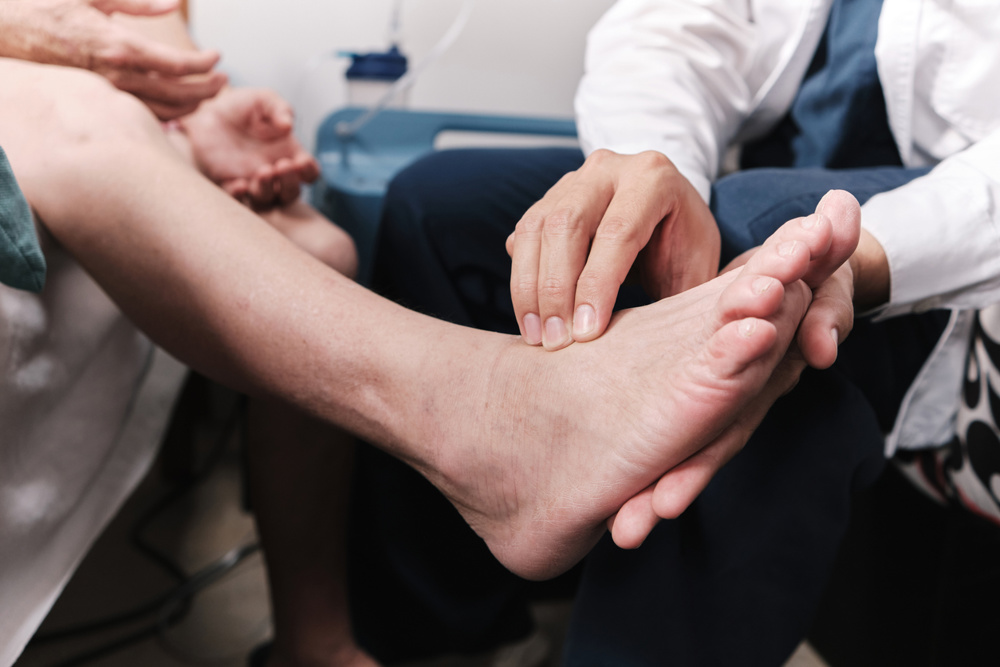
Foot pain can affect much more than your feet. When your feet hurt, you may change the way you walk without realizing it. Over time, that can place extra stress on your ankles, knees, hips, and back.
Ignoring foot problems can also become expensive. Doctor visits, orthotics, physical therapy, over-the-counter treatments, and specialty footwear can add up quickly. Missed work and reduced activity can make the cost even higher.
Prevention is often easier and more affordable than treatment. Regular foot care can help you notice small problems early, protect your skin, reduce strain, and support better movement throughout your day.
Your Week-by-Week Foot Wellness Routine
A monthly foot care plan works best when it is simple and realistic. You do not need to overhaul your lifestyle. You only need a routine that helps you pay attention to your feet on a regular basis.
Week One: Inspect and Improve Circulation
Start the month by checking your feet carefully. Look at the tops, soles, heels, toenails, and the skin between your toes.
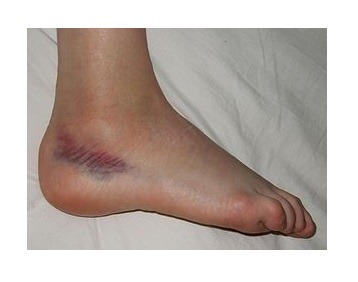
Watch for cuts, swelling, redness, blisters, dry patches, or changes in color. If you have diabetes or circulation problems, this step is especially important.
This is also a good time to trim your toenails. Cut them straight across instead of rounding the corners. This can help lower the risk of ingrown toenails.
Add simple ankle circles to support circulation and mobility. Move each ankle slowly in both directions. Keep the movement gentle and controlled.
Week Two: Soak, Smooth, and Strengthen
During the second week, focus on gentle exfoliation and foot strength.
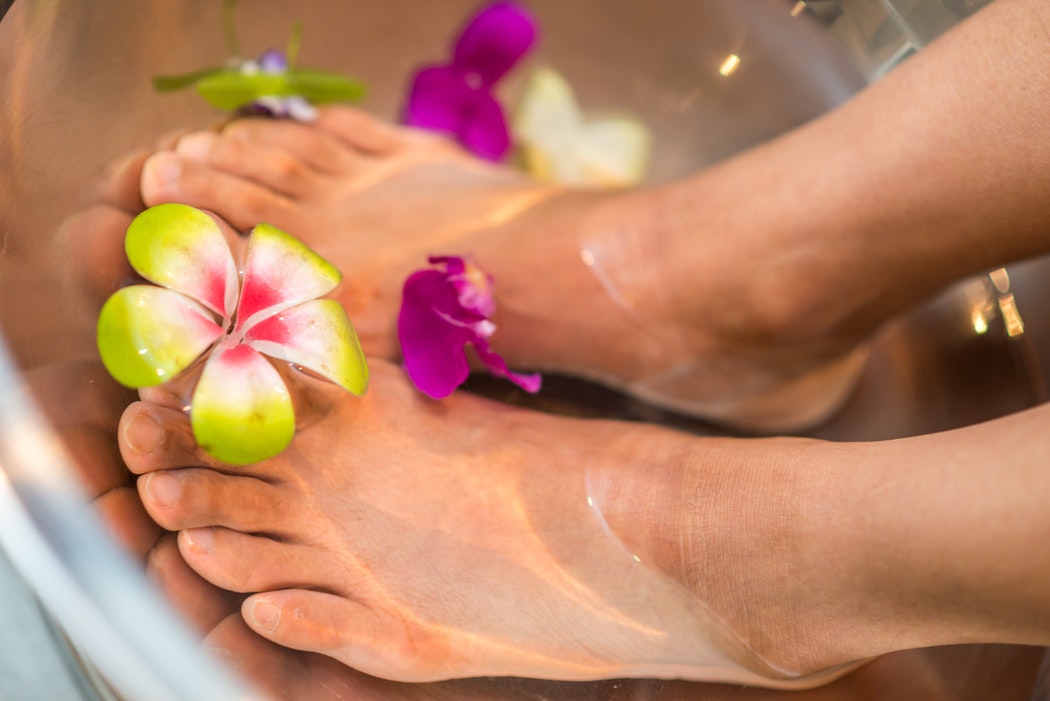
A warm foot soak can help soften rough skin. Epsom salt may be used if your skin tolerates it well. After soaking, use a pumice stone gently on rough areas such as the heels or balls of the feet.
Do not scrub too hard. Removing too much skin can cause irritation or cracking.
This week is also a good time to add towel curls. Place a towel on the floor and use your toes to pull it toward you. This simple exercise helps strengthen the small muscles in your feet and can support your arches.
Week Three: Moisturize and Stretch
Week three focuses on hydration and plantar fascia care.
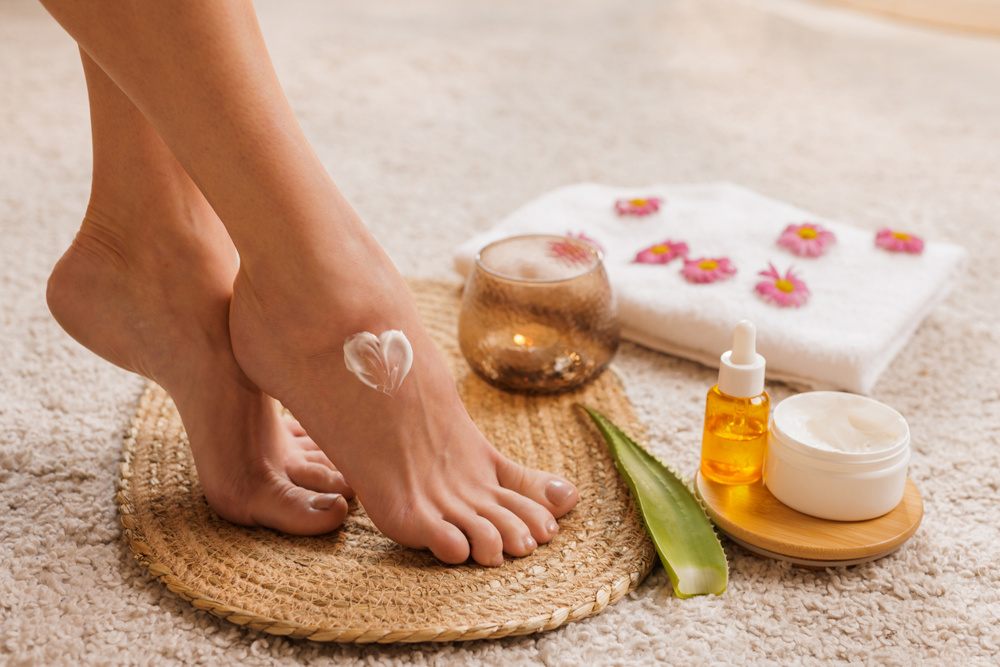
Apply a rich moisturizer to your feet, especially around dry areas such as the heels. Avoid putting lotion between your toes, since extra moisture in that area can encourage fungal growth.
For extra overnight care, wear clean moisture-wicking socks after moisturizing.
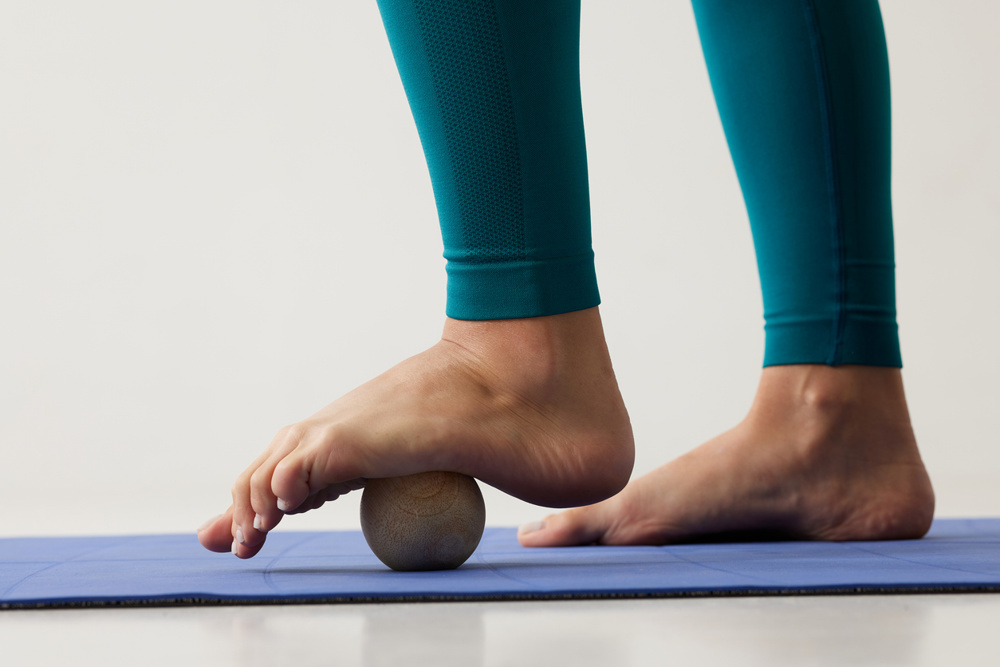
You can also roll the bottom of your foot over a small ball. Move slowly from the heel toward the ball of the foot. This can help ease tightness in the plantar fascia, the band of tissue that runs along the bottom of your foot.
Week Four: Check Your Shoes and Protect Your Feet
The final week is about long-term support.
Look at the shoes you wear most often. Check the soles, heels, cushioning, and overall fit. If the soles are worn down or the shoes no longer feel supportive, it may be time to replace them.
Choose footwear with a secure heel, supportive midfoot, cushioned sole, and roomy toe box. Your toes should have enough space to move without rubbing.
This week is also a good time to use antifungal powder if your feet sweat often or if you are prone to athlete’s foot. Keeping your feet dry can help reduce odor, irritation, and fungal problems.
Explore how to build your own calendar to stay consistent with your foot wellness.
Daily Foot Care Habits That Help Prevent Pain
Good foot care depends on small habits done consistently.
Wash your feet daily with mild soap and warm water. Dry them completely, especially between the toes. Damp skin can make fungal infections more likely.
Wear clean socks made from moisture-wicking fabric such as wool or synthetic blends. Change your socks at least once a day, or more often if your feet sweat heavily.
Rotate your shoes when possible. Giving shoes time to dry between wears helps reduce moisture buildup.
Stretch your feet and calves before and after activity. Gentle stretching can help reduce tightness and may lower the risk of heel pain, Achilles tendon irritation, and general foot strain.
How to Choose Supportive Footwear

Shoes play a major role in foot comfort. Even strong daily habits can only do so much if your shoes do not support your feet properly.
Look for shoes that match your foot shape and activity level. A good shoe should feel secure at the heel and midfoot while leaving enough room in the toe box.
Cushioning is also important. A supportive midsole can help absorb shock and reduce stress on your joints.
Breathable materials such as leather, mesh, or canvas can help keep feet cooler and drier. In colder months, waterproof boots with traction and ankle support may be helpful. In warmer weather, choose sandals with adjustable straps and supportive insoles.
If you stand or walk for long hours, consider shoes designed for extended wear. Rocker-sole shoes or supportive work shoes may help reduce fatigue.
Replace shoes once the cushioning breaks down or the soles become uneven. Worn-out shoes can increase your risk of discomfort and injury.
When to See a Podiatrist
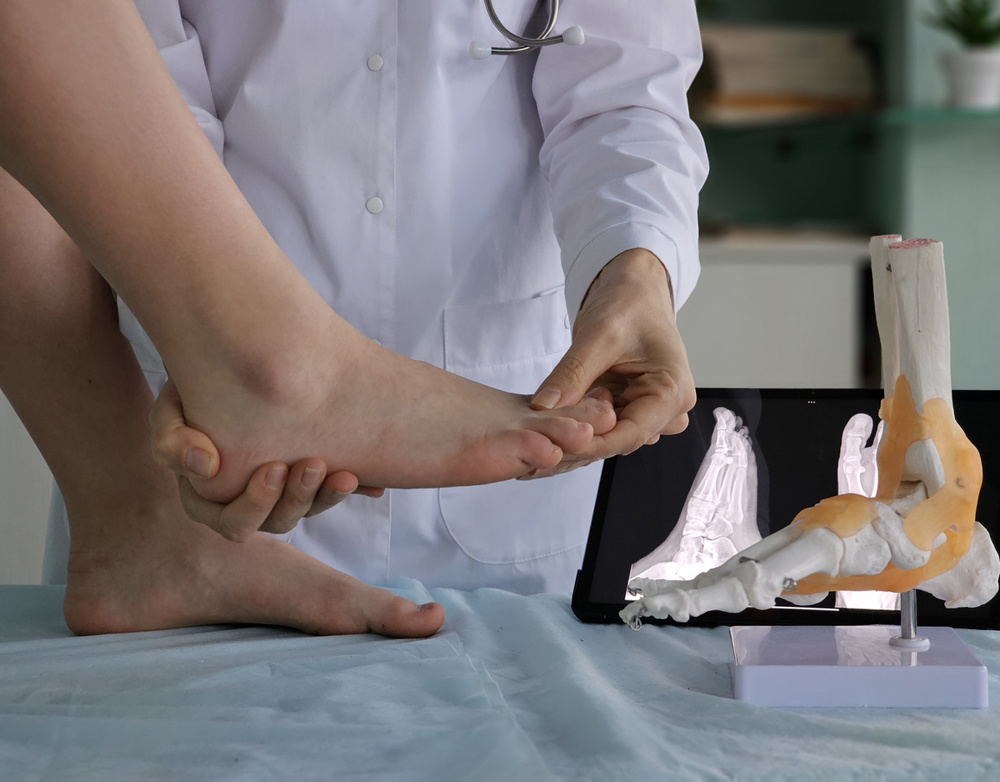
Preventive care is important, but some symptoms need professional attention.
See a podiatrist if you have severe pain, pain that prevents you from putting weight on your foot, open wounds, lasting numbness, or swelling that does not improve with rest.
You should also seek care for burning sensations, persistent heel pain, visible foot alignment changes, recurring athlete’s foot, thickened toenails, or painful corns that do not respond to basic treatment.
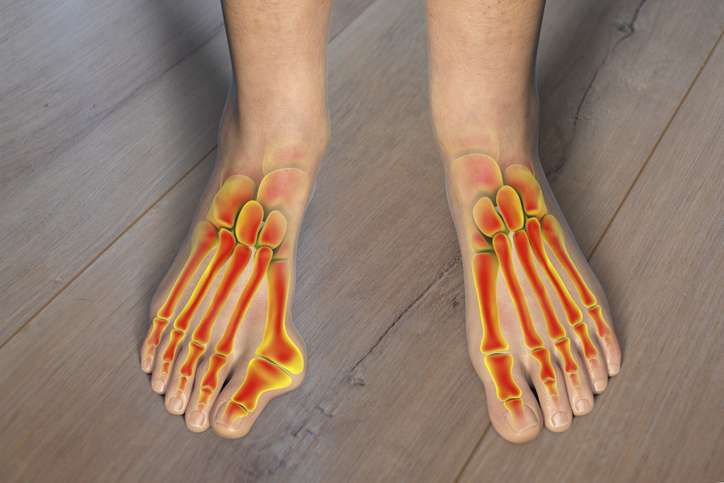
Heel pain that is sharp during your first steps in the morning may be a sign of plantar fasciitis. Bunions, stress fractures, and other structural problems may also need professional evaluation.
If you have diabetes, do not ignore wounds, skin discoloration, numbness, or slow-healing sores. These symptoms can become serious quickly and should be checked by a medical professional.
Keeping the Routine Going
After completing the four-week cycle, keep the basic habits going.
Moisturize daily, inspect your feet weekly, stretch regularly, and check your shoes often. Repeat the full routine each month to stay consistent.
Foot wellness works best when it becomes part of your normal schedule. A few minutes of regular care can help protect your comfort, mobility, and overall quality of life.