
Interesting Facts About Your Feet You Probably Never Knew
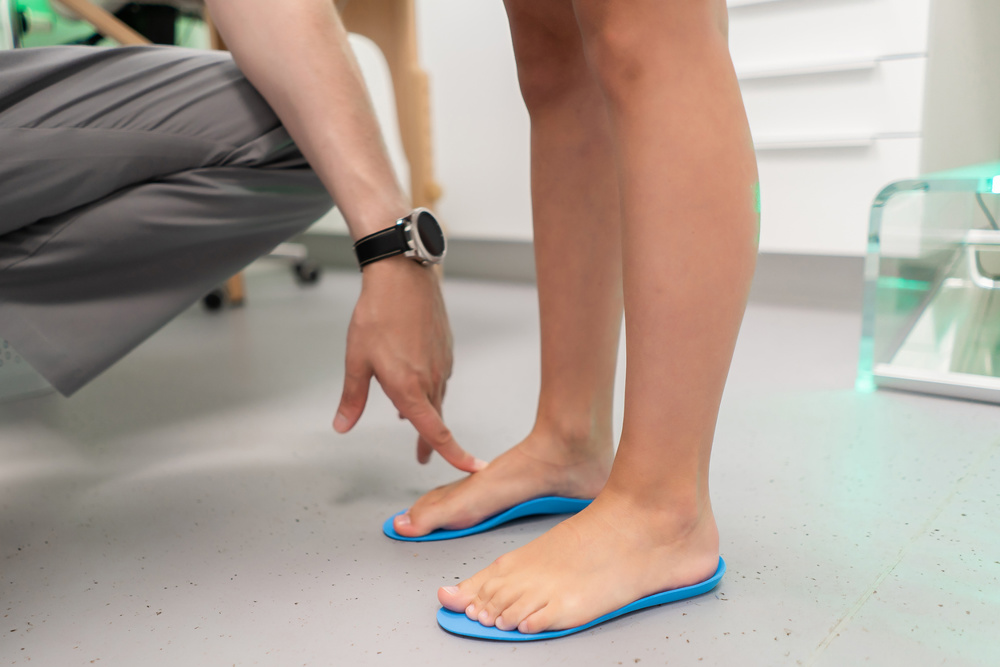
Your feet do a lot more than help you stand and walk. They support your body weight, help you balance, absorb shock, and send constant information to your brain about the ground beneath you.
Each foot contains 26 bones, 33 joints, and more than 100 muscles, tendons, and ligaments. Together, your feet contain 52 bones, which is about one-quarter of all the bones in your body.
Your soles also contain thousands of nerve endings and more than 250,000 sweat glands. That makes your feet both highly sensitive and surprisingly complex.
From your arches to your toes, every part of your foot has a job. Here are some interesting facts that show just how much your feet do every day.
How Many Bones Are in Your Feet?
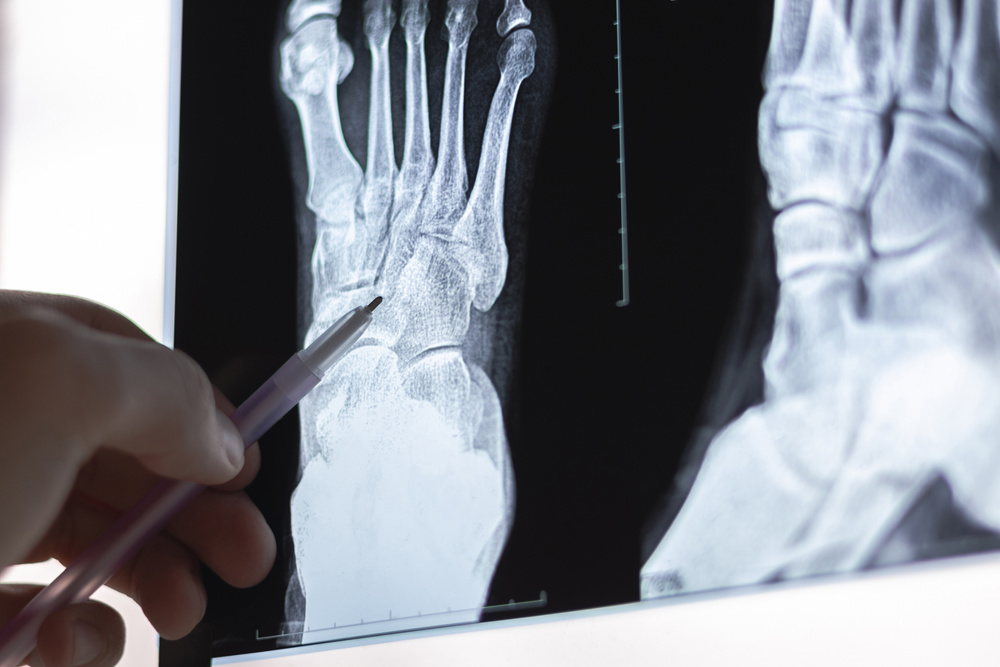
Each foot contains 26 bones. Together, both feet contain 52 bones. That means about one-quarter of the bones in your entire body are found in your feet.
These bones work with 33 joints and more than 100 muscles, tendons, and ligaments. This structure allows your feet to bend, stabilize your body, and handle repeated impact while walking or running.
Your feet are also built to last. Over a lifetime, many people walk tens of thousands of miles. Every step depends on the bones and soft tissues in your feet working together.
Your Feet Change as You Grow
Your feet do not start life with the same structure they have in adulthood. Babies are born with soft cartilage that slowly develops into bone.
In early childhood, the bones of the feet continue to grow and harden. As children become more active, their muscles and ligaments strengthen. Walking, running, and jumping all help the feet develop.
Foot growth continues through childhood and adolescence. By early adulthood, the growth plates close, and the bones reach their final structure.
How Your Foot Arches Work
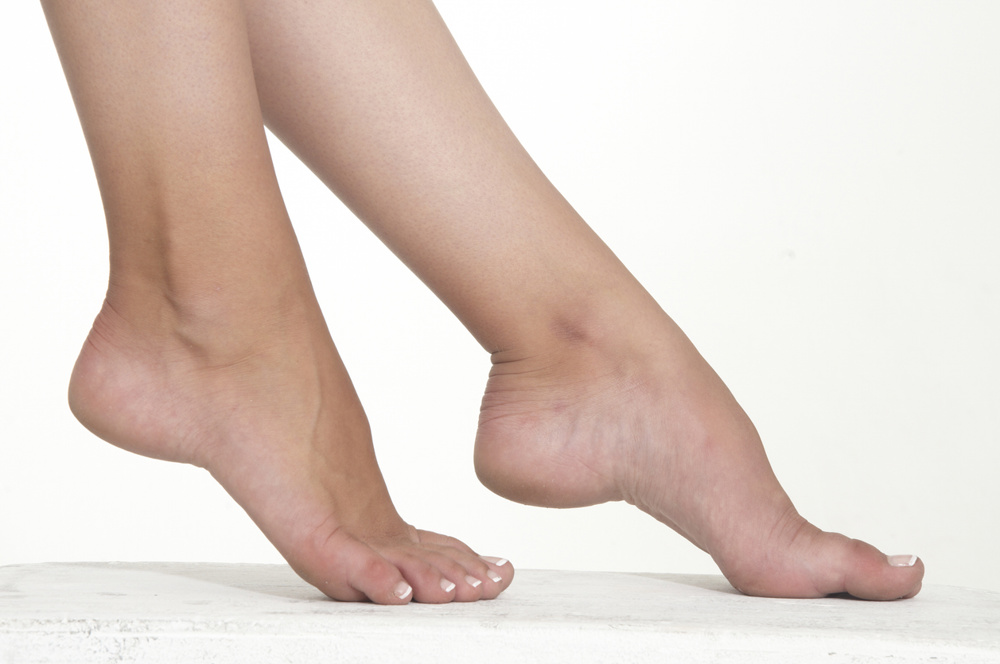
Your foot arches act like natural shock absorbers. They help your feet manage pressure and force with every step.
Each foot has three main arches:
- The medial longitudinal arch runs along the inside of the foot.
- The lateral longitudinal arch supports the outside edge.
- The transverse arch crosses the middle of the foot.
When you walk, your arches compress slightly under your body weight. Then they release stored energy as you push forward. This spring-like action makes movement more efficient and reduces strain on your muscles.
When the arches are too flat or too high, the feet may not absorb shock properly. This can place extra stress on the ankles, knees, hips, and lower back.
Why the Soles of Your Feet Are So Sensitive
The soles of your feet contain around 8,000 nerve endings. This high concentration of nerves helps you feel pressure, texture, temperature, and changes in the ground beneath you.
That sensitivity plays an important role in balance. Your feet constantly send information to your brain, helping your body adjust as you stand, walk, or move across uneven surfaces.
The same nerve endings also explain why many people are ticklish on their feet. The soles are vulnerable areas, so the body reacts strongly to unexpected touch.
Sensitivity can also change because of health conditions or injuries. Nerve problems, vitamin deficiencies, plantar fasciitis, and certain foot conditions may make the soles feel unusually tender, painful, or numb.
Your feet are full of surprising details, and if you enjoy learning little-known facts like these, you may also like this collection of fun trivia.
What Your Big Toe Does for Your Body
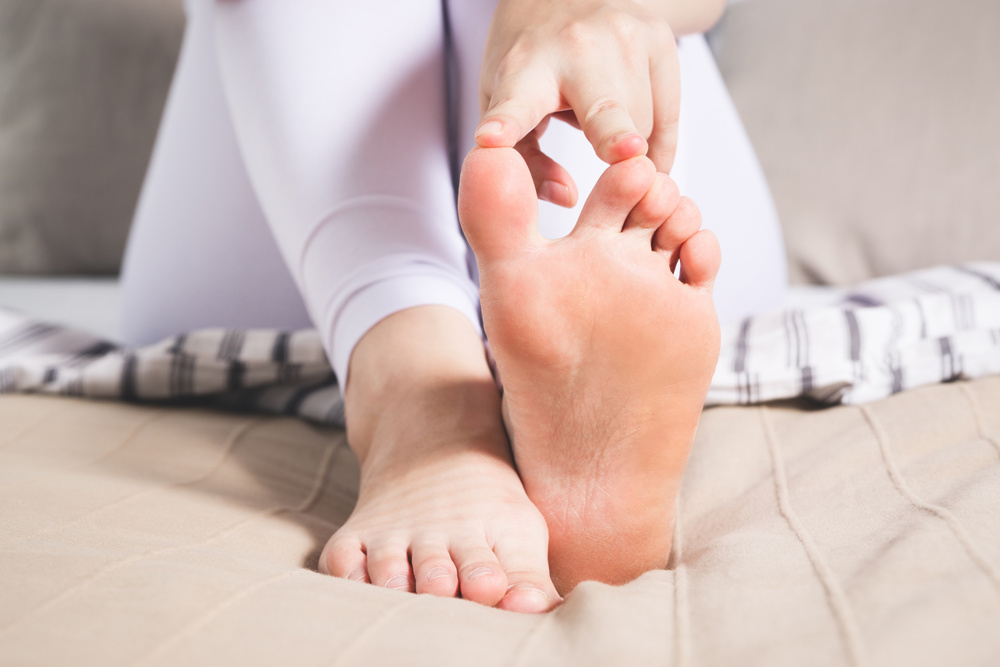
Your big toe has a much bigger job than most people realize. It helps carry a large share of your body weight when you walk. It also helps you push off the ground and move forward.
During each step, your big toe helps stabilize the foot. It supports the arch and helps guide your body weight in the right direction.
Your big toe also plays a role in balance. It gives your nervous system feedback about pressure and position, which helps your body stay steady.
When the big toe does not move or function properly, other parts of the body may compensate. This can place extra stress on the ankles, knees, hips, and lower back.
How Your Toes Work Together When You Walk
Your toes work as a team. Each one helps with balance, stability, and movement.
When your heel first touches the ground, your toes are relaxed. As your body weight moves forward, your toes help steady the foot. During push-off, they bend upward and help create a firm lever for movement.
This process helps your calf muscles generate power. It also helps your foot transfer energy efficiently from one step to the next.
If the toes are weak, stiff, or poorly aligned, walking can become less efficient. Over time, this may increase stress on the joints and soft tissues of the foot.
Why Feet Have So Many Sweat Glands
Your feet contain more than 250,000 sweat glands. The soles have one of the highest sweat gland concentrations on the body.
These sweat glands help keep the skin flexible. They also help with grip and temperature control.
Foot sweat does not only happen during exercise or hot weather. Stress and anxiety can also trigger sweating. That is one reason your feet may sweat even when you are not physically active.
Moisture can become a problem when it gets trapped inside shoes. Warm, damp conditions can increase the risk of odor and fungal infections, including athlete’s foot.
Polydactyly and Extra Toes
Most people are born with ten toes, but some are born with extra toes. This condition is called polydactyly.
Polydactyly can affect the hands, feet, or both. Extra digits may be small and soft, or they may contain bones and joints.
There are different types of polydactyly. Some extra toes appear near the big toe, while others appear near the little toe. In some cases, the extra toe appears in the middle of the foot.
Because extra toes change the shape of the foot, they can also create unique footprint patterns.
Your Footprints Are Unique
Your footprints are shaped by your bones, arches, toes, skin patterns, and the way you walk. Even small differences in foot shape can affect a footprint.
Extra toes, arch height, toe length, and pressure patterns can all make footprints distinct. This is one reason footprints can be useful in identification and forensic work.
Your feet also change over time. Aging, injuries, weight changes, footwear, and medical conditions can affect how your feet look and function.
Why Your Feet Matter More Than You Think
Your feet are easy to overlook, but they are essential to everyday movement. They support your body, absorb impact, help you balance, and allow you to move efficiently.
The bones, arches, nerves, sweat glands, and toes all play important roles. When one part of the foot is not working well, the effects can travel upward through the body.
Taking care of your feet can help protect your comfort, posture, and mobility. Good footwear, regular movement, proper hygiene, and attention to pain or sensitivity can all make a difference.
Your feet may seem ordinary, but they are one of the most hardworking and complex parts of your body.